



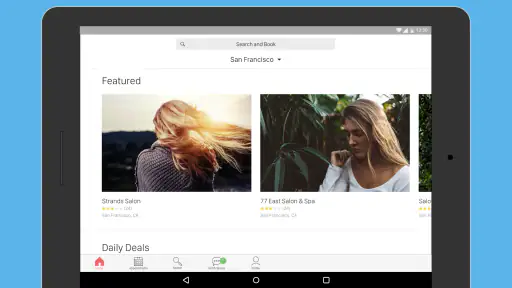
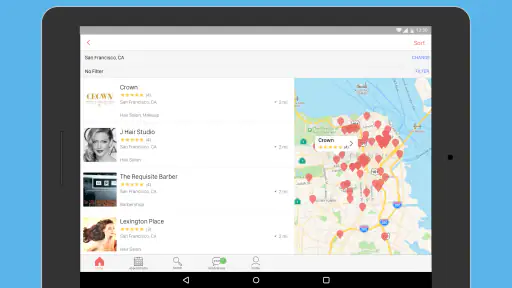
I approached Vagaro as a practical lifestyle app rather than a simple directory. Its purpose is to help me find and book appointments with salons, spas, gyms, and fitness studios from one place. That sounds straightforward, but the real value depends on how clearly each business presents its services, availability, and booking terms. In my experience, the app is most useful when I already know roughly what kind of appointment I want and need a faster way to compare local options.
It is a free app from Vagaro Inc, available for Everyone and positioned around beauty and fitness appointments. The app has been around since June 16, 2012, and its current version is 5.4.8, with support beginning at Android 8.1. Its average score is 4.2 from around 7,600 ratings, while the broader reach of more than one million installs suggests that it has become a familiar booking tool for many people.
How Vagaro feels when I use it to arrange real appointments
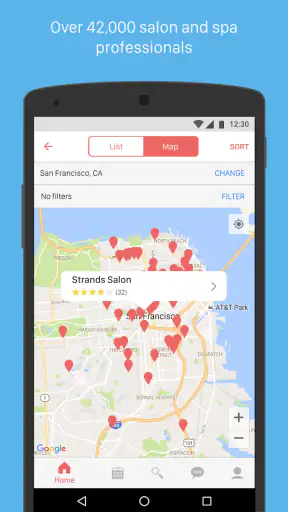
The first thing I notice is that Vagaro sits between two familiar alternatives: calling a business directly and using a general search or map app. Calling can be more personal, but it is slow when I only need to check availability. A map app may help me discover nearby places, but it often sends me elsewhere to complete the booking. Vagaro’s advantage is keeping the discovery and appointment process closer together.
A realistic example is booking a haircut after work. Instead of opening several business pages, checking their opening hours, and calling one by one, I can use the app to look for salons, inspect the available appointment choices, and move toward a booking in the same workflow. The time saving is most noticeable when I am flexible about the exact business or appointment time.
That flexibility matters. If I already have a trusted stylist and only want to ask a complicated question, the app may not replace a direct conversation. But if I need a routine service, a gym session, or a visit to a spa and want to see options without making several calls, it is a much more convenient starting point.
I also like the fact that the app covers more than one type of appointment. Beauty services and fitness activities are often handled separately in everyday life, so having salons, spas, gyms, and fitness studios in the same service is useful for people who manage several kinds of personal care. The trade-off is that the experience can feel broader than specialized. A dedicated salon booking tool may offer a more focused workflow for someone who never books anything outside hair or beauty services.
What I check before trusting a booking screen
I do not treat the presence of a business in an app as a guarantee that it is the right choice. I still read the service name carefully, check the appointment time, and look for any visible details about the provider or location before confirming. This is especially important when a business offers similar services with different durations or prices.
One useful habit is to decide the exact service before browsing too deeply. Searching broadly can produce many choices, but it also makes it easier to select something that sounds right without noticing an important difference. For example, a basic appointment and a longer treatment may appear close together, while the practical result and time commitment are very different.
I also recommend reviewing the final confirmation screen slowly rather than tapping through it automatically. The business name, service, date, time, and location should all match what I intended. This small pause is more valuable than relying on memory, especially when I am booking several appointments or switching between beauty and fitness options.
For trust, I prefer visible choices over assumptions. I want to know what I am selecting, which business will receive the booking, and whether I can manage the appointment afterward. Vagaro is most comfortable to use when the information is presented clearly enough for me to make those decisions without guessing.
Account control and the moments when personal information matters
Appointment apps naturally involve personal details. A booking needs enough information to connect me with the business and identify the appointment, and the importance of that information changes depending on the service. A simple class reservation feels different from a longer beauty consultation or a recurring fitness relationship.
Because of that, I would avoid entering extra personal information unless the booking process clearly asks for it and explains why it is relevant. I also prefer to keep my account details accurate, since an outdated phone number or email address can make appointment communication difficult. This is ordinary account hygiene, but it matters more when a missed message could affect a scheduled visit.
I pay attention to account prompts, confirmation messages, and any settings that let me review or change my details. A good booking experience should leave me aware of what I have chosen, not make me feel that the process happened invisibly in the background. If I am uncomfortable with a request, I would pause and decide whether the appointment is worth continuing through the app or whether contacting the business directly is better.
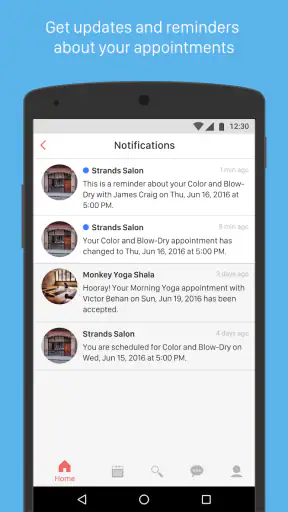
The same caution applies to notifications. Reminders can be genuinely helpful, particularly for appointments booked weeks ahead, but I prefer to control which alerts are useful rather than allowing every possible message to become noise. If I am testing the app for one booking, I would review notification and account preferences afterward instead of assuming the initial setup reflects my preferred level of contact.
I also think about shared devices. Someone using a family tablet or a phone that other people can access should be careful about leaving appointment details visible. Beauty and fitness bookings can reveal personal routines, locations, or schedules. That is not a reason to avoid Vagaro, but it is a reason to treat the account like any other service that stores activity connected to me.
Where the app gives me useful control, and where I stay cautious
My confidence comes less from the app’s category or popularity and more from the choices visible during use. I want to be able to review a service before selecting it, recognize the business involved, and understand what I am confirming. I also want the freedom to stop before finalizing anything if the details are unclear.
This is one area where Vagaro can be more practical than a phone call. A written appointment selection gives me something concrete to inspect before I commit. I can compare times and services at my own pace instead of trying to remember everything a receptionist says. For people who dislike making calls, that lower-pressure process may be the app’s biggest advantage.
At the same time, a written interface can create false confidence. Seeing a neat service listing does not answer every question I might have about preparation, accessibility, cancellation, suitability, or the experience of a particular provider. When those details matter, I would use the app to identify an appointment and then contact the business if a direct answer is needed.
That is an important trade-off. Vagaro can reduce the friction of arranging an appointment, but it does not remove the need for judgment. I would not book a specialized treatment, a demanding fitness session, or anything involving a personal concern solely because the slot is convenient. The app is a booking aid, not a substitute for professional advice or a conversation with the business.
Another practical tip is to keep a personal note of what I selected when the appointment is important. I might record the service name, location, and time in my own calendar after booking. This gives me a second reminder and makes it easier to notice a conflict. It also means I am not depending on one app screen when planning the rest of my day.
Everyday strengths beyond simply finding a time
The strongest workflow is not just “search and tap.” I find the app more valuable when I use it to narrow a decision. First, I decide whether I care most about location, appointment timing, service type, or a particular kind of business. Then I compare the available choices using the information shown rather than choosing the first result.
That approach is especially helpful for people with irregular schedules. A person working shifts may not want to call several places during business hours. A parent may need to find a fitness appointment that fits between school responsibilities. Someone preparing for an event may need to coordinate a salon or spa visit without spending an evening on separate phone calls. In each case, the benefit is less about discovering a magical option and more about reducing repeated small tasks.
I also see value for people who are new to an area. Instead of relying only on recommendations from friends, they can use the app as a starting point for seeing which local businesses participate in the booking network. I would still judge each business independently, but the app can make the first round of research less scattered.
For repeat users, the main question is whether the app makes the next booking easier than the previous one. If I regularly visit participating businesses, a central place for appointments can become part of my routine. If I only use one provider that already has an excellent booking system, adding another app may not be worthwhile. The convenience depends on how many relevant bookings I actually make.
There is also a subtle planning advantage in separating the appointment decision from the phone conversation. I can browse when I have time, compare options without pressure, and confirm only after checking my schedule. That is a better fit for people who prefer written information. Users who value immediate human reassurance may find direct contact more satisfying.
Limitations I would consider before making it my default
The app’s usefulness depends on the businesses and appointments available in the area. A large user base does not guarantee that my preferred salon, spa, gym, or studio participates. If the local selection is thin, Vagaro may feel like an incomplete directory rather than a complete solution.
Availability can also change quickly. A time that appears suitable while browsing may no longer work by the time I am ready to confirm, particularly for popular services. I would avoid planning a tightly packed day around an unconfirmed slot and would leave enough room for travel and possible delays.
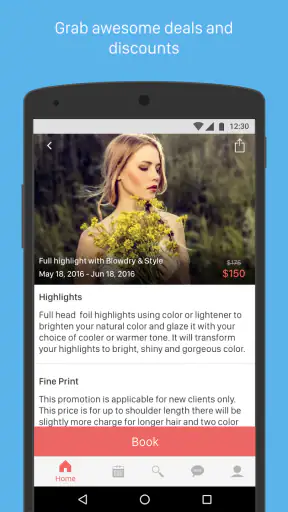
Another limitation is that booking convenience can hide the importance of policies. I would look carefully for any visible cancellation, rescheduling, arrival, or payment instructions before confirming. If those rules are not obvious to me, I would contact the business rather than assume that a booking can be changed freely.
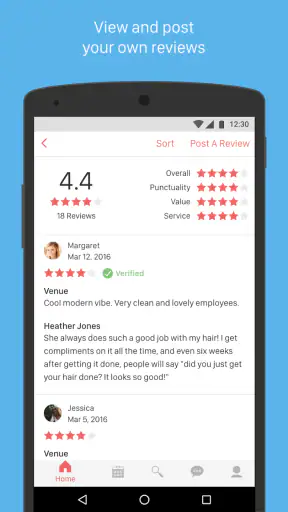
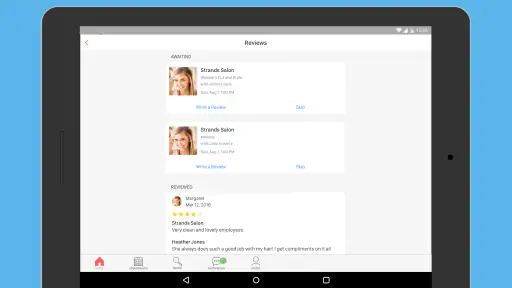
The app may also be a poor fit for people who want detailed comparisons of service quality. A booking interface helps me arrange an appointment, but it is not necessarily the same as a deep review platform or a personal recommendation. Someone choosing a provider for a highly specific need may prefer local research, professional advice, or direct questions before using the app to schedule.
Privacy-conscious users should take the same measured approach they would take with any account-based lifestyle service. I would review the information requested, use only what is necessary for the appointment, and check account and notification choices. I would not assume that a free download means there are no data-related decisions involved; free convenience still deserves attentive use.
Who should use it and who should choose another route
I would recommend Vagaro to someone who books beauty or fitness appointments often enough to appreciate a central scheduling tool. It is particularly suitable for people who dislike phone calls, have changing schedules, or want to compare participating businesses before committing. It can also help someone new to an area create a shortlist of possible providers.
I would be more selective for a person who already has a reliable direct booking relationship with one business. If that provider’s own system is faster and answers all the necessary questions, Vagaro may add an unnecessary step. The same is true for someone who rarely books appointments and prefers to ask questions by phone.
I would not use it as my only source of judgment for services that require careful personal discussion. In those situations, I would research first, ask the business specific questions, and use the app only if its booking details match what I need. That is not a criticism of the app so much as a sensible boundary for appointment technology.
It is worth remembering that the app is free and rated for Everyone, which makes it approachable for a broad audience. Still, an age rating does not tell me whether every service listed will suit every person. I would consider the nature of the appointment, the business’s instructions, and my own needs before booking.
My cautious verdict after weighing convenience against control
Vagaro earns its place as a useful appointment organizer because it brings salons, spas, gyms, and fitness studios into a single booking-oriented experience. I like it most when I need to compare times, avoid a phone call, or handle a routine appointment while managing a busy schedule. Its value is practical rather than flashy: fewer separate searches and a clearer path from choosing a service to arranging a visit.
My recommendation comes with a simple condition: use the app actively, not passively. Read the service details, check the business and location, review the final appointment, and pay attention to account, notification, and privacy choices. Those steps preserve my control and prevent convenience from turning into an accidental booking.
With more than one million installs and a 4.2 average, it has enough reach to be worth checking when I need a beauty or fitness appointment. But I would still compare it with direct booking when I need detailed answers, a particular provider, or clearer policy information. My bottom line is that Vagaro is a helpful first stop for scheduling, provided I remain the person making the decisions.


